Kids' Bed Guides & Safe Sleep Advice

Why online shopping for kids beds is the smart choice for Welsh families

Why online shopping for kids beds is the smart choice for Welsh families

by Emma Whitlow on May 23 2025
Buying a kids' bed online in Wales: delivery to cities and rural areas, what to check on safety and assembly, and tips for comparing retailers.
Scandinavian style for kids' bedrooms: why minimalism works best
Scandinavian style for kids' bedrooms: why minimalism works best

by Emma Whitlow on May 12 2025
Why Scandinavian minimalism works in children's bedrooms: neutral colours, natural wood, smart storage and calm, clutter-free spaces that support rest and independence.
Essential guide to kids’ beds: assembly, maintenance, and safe moving tips

Essential guide to kids beds: Assembly, maintenance, and care tips

by Emma Whitlow on May 08 2025
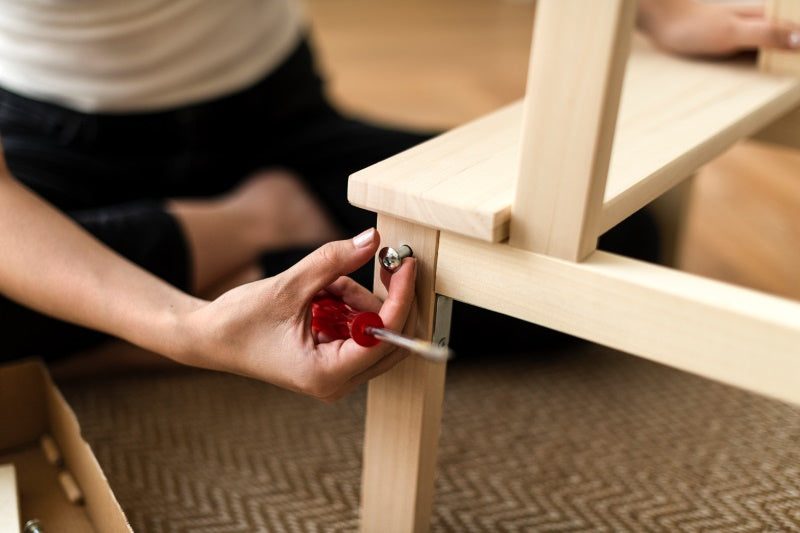
The tools you need to assemble a kids' bed, how to fix a wobbly frame, cleaning tips for solid pine, and how to dismantle and move a bed safely.
why buying online from Snuglee is the smart choice

Buy the best kids beds in Scotland – Fast delivery & No hassle

by Emma Whitlow on Apr 22 2025
Buying a kids' bed online in Scotland: delivery across the mainland and remote areas, easy assembly, and the bed types that suit Scottish family homes.
how assembly works when buying kids bed online

How delivery & assembly works when buying a kids bed online in the UK

by Emma Whitlow on Apr 21 2025
What happens after you order a kids' bed online: UK delivery times, what arrives in the box, how long assembly takes, and how to look after the bed afterwards.
Top 10 features to look for in a safety bed for autistic children

Top 10 features to look for in a safety bed for autistic children

by Emma Whitlow on Apr 16 2025
Designing the right sleep space for a child with autism isn’t just about comfort. It’s about creating a safe, sensory-supportive environment that encourages relaxation and rest. Sleep issues are common in autistic children, and the right safety bed for autism can make a world of difference. Whether you're looking for a safe bed autism-friendly design or a sensory bed for autistic children, this guide walks you through the top 10 features to look for. 1. Low-to-the-ground or floor bed design One of the most essential features in a safe bed for autistic child is a low or floor-level design. This significantly reduces the risk of injury from falls, especially for children who are restless at night or prone to sleepwalking. Why it matters:Many children with autism have sensory or motor challenges. A floor allows for safe, independent access and gives parents peace of mind. 2. Solid construction using natural materials A solid wood bed made from non-toxic, natural materials is ideal. Solid pine or hardwood not only ensures durability but also avoids chemical exposure from plastics or mdf. Beds from Snuglee are handcrafted from solid pine wood, strong, eco-friendly, and built to last. Find the benefits of solid pine bed for kids. 3. No sharp corners Safety should be baked into the design. Look for beds with smooth, rounded edges or no sharp corners, especially around the headboard and base. 4. Enclosed or guarded design (optional) While some children thrive in open spaces, others feel more secure in semi-enclosed beds. Think of it like a “cocoon” that provides physical boundaries and emotional comfort. A sensory bed for autism may have optional guardrails or canopy-style features that help reduce external stimuli. 5. Simple, minimalist aesthetic Visual clutter can be overwhelming for children with autism. A simple, minimalist design helps create a calming sleep environment. Look for clean lines and natural colours. Why it works: a neutral-toned, wooden autistic bed supports a sense of calm and predictability in the room. 6. No squeaky or noisy components This might seem minor, but creaky beds can trigger anxiety or sensory overload. Opt for beds with strong joinery and solid frameworks that don’t squeak or shift with movement. 7. Sensory-friendly features Some sensory beds for autistic children include elements like soft fabric canopies, calming lights, or space for weighted blankets. These additions can help reduce anxiety and promote melatonin production for better sleep. 8. Easy accessibility for the child A bed should empower your child — not frustrate them. A safe bed for autism should allow children to get in and out by themselves, encouraging independence while staying safe. Montessori-style beds are built with this concept in mind, promoting confidence and autonomy. 9. Fits a sensory-friendly room layout The bed is just one part of the whole sleep environment. A good safety bed should integrate well with sensory-friendly layouts away from noise, away from windows, and in a cosy corner where the child feels protected. The position the bed in a place where your child naturally feels most calm and avoid overstimulation near it (like tvs or bright lighting). 10. High-quality, child-safe finishes Ensure the bed is treated with child-safe, non-toxic finishes, especially if your child tends to mouth or chew furniture. Look for water-based paints and natural waxes. Conclusion Quality sleep plays a vital role in a child's wellbeing, particularly for children with autism who may experience sensory sensitivities or sleep challenges. Choosing the right autism safety bed can help create a calmer bedtime routine, improve sleep quality, and provide a greater sense of security for both children and parents. When selecting a bed, it's important to consider factors such as safety features, accessibility, comfort, and durability. Parents should also ensure that any bed they choose meets appropriate safety requirements. For more guidance, see our UK Kids Bed Safety Standards Guide, which explains the key safety considerations for children's beds. With the right environment and a bed designed to support your child's individual needs, bedtime can become a more positive and reassuring experience. A safe, comfortable sleeping space not only encourages better rest but also helps children feel secure, supported, and ready for the day ahead.
Top-rated kids' bed shops in the UK

Top-rated kids' bed shops in the UK: Where to find the best beds for your child

by Emma Whitlow on Apr 16 2025
Where to buy a children's bed in the UK on a budget: the types of retailers to consider and what to check on safety, durability and delivery before you order.
Top space-saving ideas for kids’ rooms

Top space-saving ideas for kids’ rooms: Smart beds & storage solutions

by Emma Whitlow on Apr 13 2025
Short on space? Storage beds, under-bed solutions, loft and bunk beds, and hidden storage ideas to keep a small child's bedroom tidy and functional.

The Snuglee Blog is a library of practical guides for UK parents choosing and setting up a child's bed. We cover Montessori floor beds, moving from cot to bed, bed sizes and mattresses, safe sleep and calmer bedtimes, written for real UK homes and bedrooms. Use the topic tags at the top of the page to filter articles, or start with the guides below.

Safe Sleep & UK Safety Standards

Our safe-sleep guides follow current NHS and Lullaby Trust advice for babies under 12 months, and our safety articles explain the British Standards that apply to children's beds, including BS EN 716 for toddler beds and BS EN 747 for bunk beds. Start with Is Your Baby Too Young for a Floor Bed?, UK Kids Bed Safety Standards and our Bed Rails & Guards Buying Guide. Browse all Safe Sleep guides.

Montessori Floor Beds Explained

A Montessori floor bed lets a child get in and out of bed on their own, with very little distance to fall. Our Complete UK Guide covers age, sizes, rails and safety in one place, and 7 Questions Parents Ask About Montessori Floor Beds separates what the Montessori philosophy says from what the evidence shows. Browse all Montessori guides.

Moving From Cot to Bed

Most children move out of the cot between 18 months and 3 years, but readiness matters more than age. Our Cot to Bed Transition Guide compares floor beds, beds with rails and low raised beds for UK homes, and Signs Your Toddler Isn't Ready helps you decide when it's better to wait. Browse all Cot to Bed guides.

Bed Sizes & Mattresses

Children's beds in the UK usually come in single (90 x 190 cm), small double (120 x 190 cm) and double (135 x 190 cm). What Size Bed Is Right for My Kids? explains which size suits each age, and How to Choose a Mattress for a Kids Bed covers firmness and the thickness that keeps rails effective. For exact measurements, see our UK bed and mattress size guide. Browse all Sizes & Mattresses guides.

Better Sleep & Bedtime Routines

Good sleep usually comes from small, consistent habits rather than one trick. The Science of Better Bedtimes sets out 12 evidence-based habits and recommended sleep hours by age, and Understanding Toddler Sleep Regression explains what's normal around 18–24 months. Browse all Sleep Tips.

Bedroom Ideas & Bed Care

Ideas for calm, clutter-free children's rooms, space-saving layouts for small UK bedrooms, and simple care tips to keep a solid wood bed safe and sturdy for years. Start with Scandinavian Style for Kids' Bedrooms and our Assembly, Maintenance & Care Tips. Browse all Bedroom Ideas.

Buying a Kids' Bed Online

Buying online? Where to Buy a Bed with Fast Delivery in the UK gives you a checklist for delivery, assembly, materials and returns, and How Delivery & Assembly Works explains what happens after you order. Browse all Buying Guides.

How We Write Our Guides

Every guide on the Snuglee Blog is written by Emma Whitlow and reviewed by the Snuglee team. Safe-sleep content follows published NHS and Lullaby Trust guidance, safety content refers to the relevant British Standards, and health or safety claims link to their source. We review articles when guidance changes.

Our guides are general information, not medical advice. For anything specific to your child, speak to your health visitor or GP. Spotted something out of date? Email support@snuglee.co.uk.

Recently viewed products