
Snuglee Montessori Toddler Bed Frame - Pine Wood Kids Bed – Small Single
£338.00
Materials
Beautifully crafted from premium, knot-free solid pine wood, this small single bed offers a smooth, splinter-free finish that’s built to last. The sturdy wooden frame ensures long-term durability and stability, while being completely free of plastic and harmful chemicals. Safe, sustainable, and eco-friendly – the perfect choice for a healthy sleeping environment for your child.

Montessori design
Designed with the Montessori philosophy in mind, this bed encourages independence and confidence. Its low-to-the-ground structure allows little ones to climb in and out safely, promoting freedom of movement and helping them develop self-reliance from an early age. Whether used as a floor bed rails or a low-rise bed with 20cm legs, it creates a secure and inviting space for both sleep and play.
Quick and easy assembly
Assembly is simple and straightforward with our easy-to-follow instructions. Delivered flat-packed, the bed is easy to transport and can be quickly assembled, so your child can start enjoying their new bed in no time.
Why Choose Snuglee?
✔ Made from solid pine wood – strong, smooth, and splinter-free
✔ Eco-friendly and toxin-free materials
✔ Promotes independence and safe sleeping
✔ Two styles: floor bed with rails or low-rise bed with 20cm legs
✔ Easy assembly and durable craftsmanship
Dimensions
- Small single floor bed frame: 190 cm (L) x 75 cm (W) x 30 cm (D)
- Small single low rise bed frame: 190 cm (L) x 75 cm (W) x 30 cm (D) + 20cm legs (H)
Effortless Assembly. Set up quickly with easy-to-follow instructions. Download assembly instruction here!
Free Delivery within 1-3 days
Please note that deliveries are made to mainland UK only, we currently do not deliver to the Channel Islands, British Forces Post Office and mail forwarding companies, PO Boxes, Northern Ireland, Isle of Wight, Isle of Man, Jersey, Guernsey, Shetland Islands, Orkney Islands, Isle of Scilly and Scottish Islands
A detailed guide to UK bed and mattress size standards, including dimensions and measurements to help you choose the right fit for your bedroom.

Premium materials
Our bed is thoughtfully crafted from premium, knot-free pine wood, ensuring both durability and beauty.
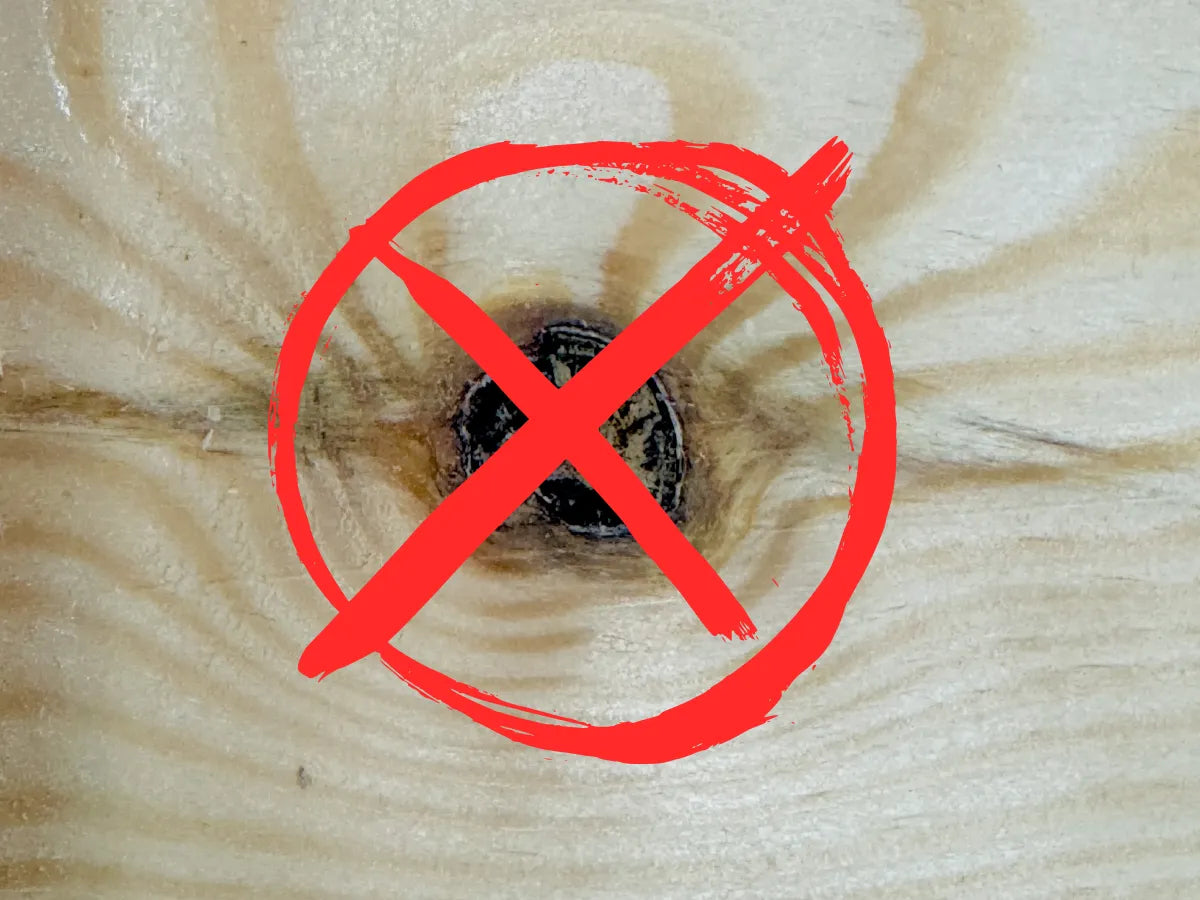
Knot-Free wood
Premium Knot-Free Solid Pine Wood, which provides an ultra-smooth, durable surface that stands the test of time. It reduces the risk of splinters.
Non Toxic
Made from high-quality, knot-free pine wood with zero plastic components, offering a sustainable, toxin-free sleeping solution.
Eco-friendly
Its eco-friendly, plastic-free design creates a natural and healthy sleep environment
Why choose us?

Supports Montessori growth
Aligns with Montessori principles to support your child’s development at their own pace.
Durable quality
Built to withstand years of use, our knot-free solid pine wood construction ensures it can handle everything from sleep to playtime.

Fits Any Decor
Natural, minimalist design complements all room styles, from contemporary to rustic.
VIEWED TOGETHER
ON THE BLOG

7 Questions Parents Ask About Montessori Floor Beds - Expert Answers

Floor Bed Safety in Winter: Cold Floors, Draughts & Rug Choices for a Low-to-the-Ground Bed

Bed Rails & Guards Buying Guide: Types, UK Safety Standards & When to Remove Them
Let customers speak for us

Built the bed this evening - very clear online instructions, simple to build and feels very solid without the mattress on yet.
Teressa replied to my questions after midnight on Sunday immediately and item was dispatched Monday morning and delivered Tuesday afternoon.
Only thing that isn’t ideal is that the bed slats are loose and do not fit into a slot / or attached to bed in any way so will move at slightest touch / mattress being placed on top. But first world issue! Hopefully our toddler will love the bed and his independence.

Lovely solid wood furniture, easy to assemble and well made
Lovely solid wood furniture, easy to assemble and well made

Great bed, quality is very good, lovely seller who’s messaged straight after purchase with a details and instruction, highly recommended! Thank you
Great bed, quality is very good, lovely seller who’s messaged straight after purchase with a details and instruction, highly recommended! Thank you
Well crafted, good quality bed. Simple assembly. Great customer service. Would highly recommend
Well crafted, good quality bed. Simple assembly. Great customer service. Would highly recommend
Lovely bed for my toddler and easy to assemble. Had an issue with one of the legs not drilled correctly however the buyer was super helpful and sent replacement legs to resolve the issue. Very pleased and would recommend. Thanks
Lovely bed for my toddler and easy to assemble. Had an issue with one of the legs not drilled correctly however the buyer was super helpful and sent replacement legs to resolve the issue. Very pleased and would recommend. Thanks
My son has instantly fell in love with his new bed. So easy for him to get in and out. Easy to build and fast delivery. Thanks very much.
My son has instantly fell in love with his new bed. So easy for him to get in and out. Easy to build and fast delivery. Thanks very much.
Snuglee Montessori Wooden Floor Bed Frame for Kids – Small Double
I love the bed quality. It is made from solid pine wood, great natural finish. Very quick delivery in 2 days. Brilliant!

Very quick delivery and as described, thanks!
Very quick delivery and as described, thanks!
FAQs
Our small single floor bed is perfect for toddlers and young children aged 18 months and up. The low design helps them climb in and out safely while encouraging independence.
Learn more about the benefits of a Montessori kids bed
Yes, your beds come with safety rails for extra protection. It’s ideal for toddlers transitioning from a cot to their first big bed.
The low-rise version features 20cm legs, providing a little extra height for airflow and under-bed storage while keeping it safe for little ones.
Yes, the small single bed fits a standard UK small single mattress (75 x 190cm).
A solid pine wood small single bed frame is strong, long-lasting, and offers a warmer, natural look compared to metal frames.